The Hidden Cost of Rwanda's Nightlife Boom
By Uwineza Roger | Economy
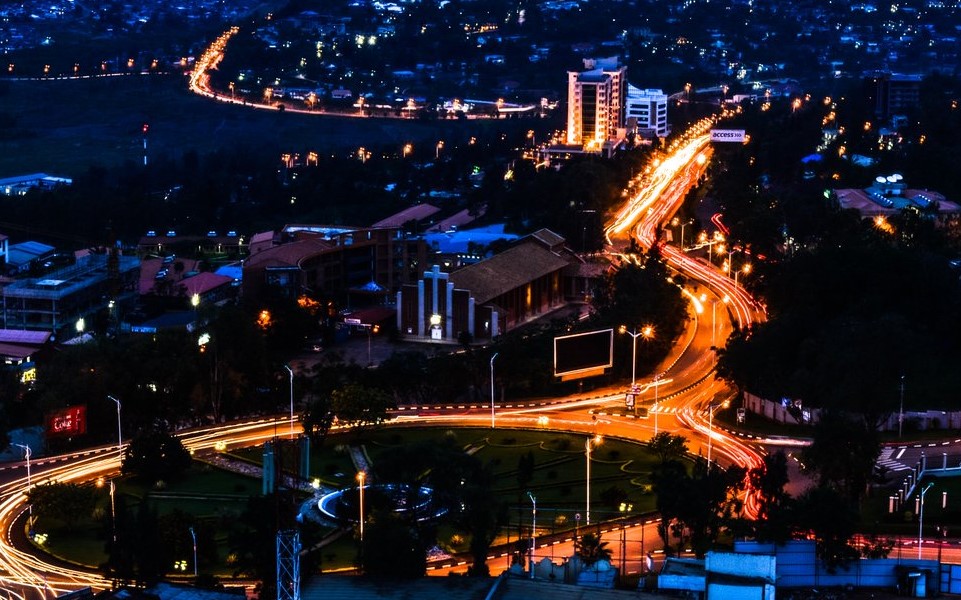
When Rwanda introduced the 24 hour economy policy, the aim was to boost productivity, create more jobs, and make cities livelier after dark. Kigali, often praised for its safety and cleanliness, quickly became the face of this transformation. Yet, as more lights stay on through the night, many are asking who truly benefits from this round the clock system.
The initiative has created new opportunities for some workers, particularly in the transport and hospitality sectors. “At night we get more passengers going home from work or events,” said Eric, a moto-taxi rider in Kigali. “It helps me earn a bit extra.” He added.
Small restaurants and shops have also welcomed the change, noting an increase in evening customers in busy neighborhoods such as Nyamirambo and Remera. However, not everyone is experiencing the same success.
Some employees say the extended hours have not translated into better pay. “We work longer, but the salary stays the same,” said Claudine, a waitress who now works late night shifts. Others have raised concerns about transportation and safety during night hours, particularly for women returning home after work.
Business owners share similar concerns. “The idea is good,” said a bar owner in Kicukiro. “But the city needs more night buses and streetlights if we want to keep operating safely and attract customers.” He added.
Despite these challenges, analysts say the 24 hour economy holds promise for sectors such as tourism, logistics, and entertainment. It also offers young people more flexible employment options in a competitive job market.
As Rwanda continues to adjust to this new economic model, experts suggest that ensuring fair working conditions and improving night time infrastructure will be key to making the policy truly inclusive. The success of the 24 hour economy will depend not only on business growth, but also on how well it serves the people powering it.


Haba hahiye bro
ReplyDelete